Buying Land in Nairobi’s Satellite Towns Is Becoming a Different Kind of Investment

Buying a plot outside Nairobi and waiting for it to rise is no longer a safe Kenya land investment.
For years, buying land outside Nairobi was one of the most popular property investment strategies. The idea was straightforward: acquire a plot in an emerging neighbourhood, hold it while the surrounding area develops, and eventually sell at a higher price.
But the latest third-quarter 2026 land price figures suggest that this strategy is becoming less attractive in several of Nairobi’s satellite towns.
Key takeaways
- Over the past two years, land appreciation in 12 of the 14 satellite towns tracked was below the modelled return from rolling over 91-day Treasury bills.
- Only Ruiru and Juja outperformed that benchmark.
- Over the latest 12 months, land prices fell in Athi River, Ngong, Kiambu, Mlolongo and Kiserian, and rose in Ruiru, Thika, Ruaka, Juja and Ongata Rongai.
- The question for Kenya land investors is shifting from “how much will this plot appreciate?” to “what can this land realistically produce?”
The comparison raises an important question for anyone weighing a Kenya land investment: is buying undeveloped land still attractive when its price appreciation struggles to compete with alternatives?
The Numbers Behind The Changing Land Market
The findings were widely reported in Kenyan media on 5 November. The report compared land-price appreciation in each satellite town with the return an investor could have earned by repeatedly rolling over 91-day Treasury bills over the past two years. The 91-day Treasury bill rate was around 8.75% at the time.
Some of the reported annual movements included:
- Athi River: prices declined by 2.3%.
- Ngong: prices declined by 1.9%.
- Kiambu: prices declined by 1.2%.
- Mlolongo: prices declined by 0.8%.
- Kiserian: prices declined by 0.5%.
- Ongata Rongai: prices increased by 4%.
- Juja: prices increased by 5.1%.
- Ruaka: prices increased by 6.2%.
- Thika: prices increased by 9.3%.
- Ruiru: prices increased by 11.5%.
Over the two-year comparison, only Ruiru and Juja outperformed the Treasury bill benchmark. These figures show how differently individual locations can perform, even within the same metropolitan property market. You can read more in Kenyans.co.ke’s coverage of the report.
Why The Old Land-Buying Strategy Is Under Pressure
Land investment has traditionally attracted buyers who expect population growth, infrastructure expansion and commercial activity to increase property values.
However, buying land and waiting for appreciation does not generate rental income unless the property is put to productive use. Meanwhile, the owner may still incur expenses relating to security, rates, taxes, maintenance and financing. This creates an important difference between owning land and owning an income-producing property.
If land prices remain relatively flat, an investor holding an undeveloped plot may have to wait longer to achieve the expected return.
Not Every Satellite Town Is Performing The Same Way
The figures do not suggest that all land outside Nairobi has become unattractive. Ruiru and Thika, for example, recorded stronger annual appreciation than the other locations in the report.
Even so, historical appreciation should not be treated as a guarantee of future performance. Investors need to understand what is driving demand in the particular neighbourhood they are considering.
- Is there genuine residential demand?
- Are businesses establishing themselves nearby?
- Is the road infrastructure operational?
- Are essential services available?
A plot in an active residential area may offer a different investment proposition from one whose value depends entirely on a future development announcement. Planning rules matter too: see our article on the Supreme Court ruling on Nairobi’s planning framework.
From Owning Land To Using Land
One of the more important observations from the findings is that investors may increasingly need to consider the economic use of land.
Instead of simply purchasing a plot and waiting, buyers may evaluate opportunities to develop rental housing, commercial premises, storage facilities or other projects supported by local demand.
Of course, development introduces additional costs and risks. Construction budgets, approvals, financing, occupancy and operating expenses must all be considered. But it changes the investment question from asking how much land might appreciate to asking what the land can realistically produce.
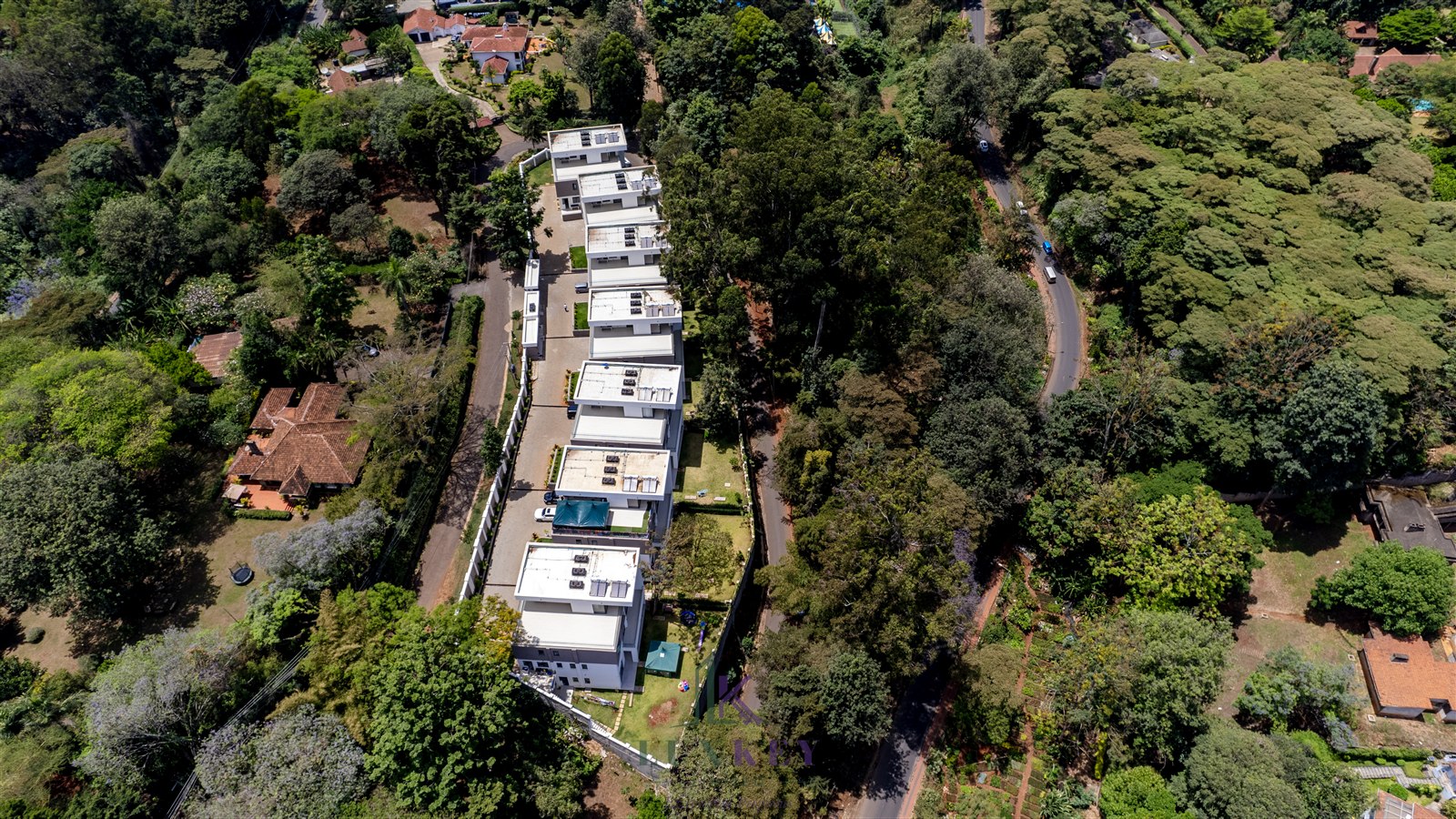
Land prices also say little about finished homes. A completed apartment or a home inside a planned estate, such as High Street Lane in Migaa, Kiambu, is priced and sold differently from an undeveloped plot, and it is judged on different things, such as the amenities, the developer and the payment plan.
Should Investors Stop Buying Land?
No. The figures do not justify that conclusion. Land remains a long-term asset with potential value, particularly where ownership is secure, demand is credible and the purchase price is reasonable.
However, the latest figures challenge the assumption that buying undeveloped land anywhere around Nairobi will automatically produce attractive returns. Investors should compare potential appreciation with alternative investments, account for holding costs and assess whether the land has a practical use.
Kenya Land Investment: Frequently Asked Questions
Is land in Nairobi’s satellite towns still a good investment?
It depends on the town and the plot. In the latest figures, only Ruiru and Juja beat Treasury bills over two years, while prices fell over the year in Athi River, Ngong, Kiambu, Mlolongo and Kiserian. Check ownership, demand and holding costs before you buy.
Does undeveloped land earn income?
Not unless it is put to productive use. Owners may still pay for security, rates, taxes, maintenance and financing while they wait for the price to rise.
What should I check before buying land near Nairobi?
Start with a clear investment purpose and verified ownership. Then look at real demand in the area, working roads and services, and what the land could realistically be used for.
The LUXKEY Perspective
Kenya’s property market is becoming more differentiated. Some locations continue to attract investment, while others are experiencing slower price growth. For investors, the opportunity lies in understanding the fundamentals of each location rather than following the crowd.
At LUXKEY, we believe every land purchase should begin with a clear investment purpose, verified ownership and a realistic assessment of future demand.
Looking For Land Or Development Opportunities In Kenya?
Explore LUXKEY property listings or speak to LUXKEY Advisory Services about your investment objectives.
Investment returns discussed in this article are historical market comparisons, not guaranteed future returns. Treasury bill returns and land-price appreciation are not directly equivalent to net investment returns because costs, liquidity and risks differ.
See One Of Our Projects
Speak To LUXKEY Advisory
Buying, selling or investing, tell us what you are working on and we will give you a straight answer on the property, the price and the paperwork.