Buying Your First Home In Kenya

The price on the listing is never the price you pay.
Most first-time buyers in Kenya budget for the price on the listing and get caught out by everything sitting on top of it. The number that matters is not the asking price — it is the asking price plus roughly 7 to 11 percent, which is what actually lands the title in your name.
1 Know What You Can Afford
Banks generally cap your mortgage repayment at 33–40 percent of gross monthly income, and expect a deposit of 10–20 percent of the purchase price before they will lend the rest. Run that calculation before you fall for a specific house — it changes which conversations are worth having.
Rates matter just as much. The Central Bank Rate has been held at 8.75 percent, but average commercial lending rates are still around 14.4 percent (September 2026). Kenya Mortgage Refinance Company (KMRC)-backed loans, offered through participating banks, have been pricing from around 11 percent — consistently below the market average. SACCOs are also worth a look, particularly if you already have a savings history with one.
2 Budget Beyond The Price Tag
On top of the purchase price, expect:
- Stamp duty — 4% of the price (or the government valuation, if higher) for property in a municipality or gazetted town; 2% for rural land. It is now handled through the Lands ministry’s Ardhisasa platform rather than KRA, and is paid before the transfer can be registered.
- Legal and conveyancing fees — usually in the region of 1–2% of the price. Ask your advocate for the figure in writing before you instruct them.
- Valuation, search and registration — typically tens of thousands of shillings combined.
- Financing costs, if you’re borrowing — bank processing fees (roughly 1–2% of the loan) plus mandatory mortgage protection insurance.
Add it up and a KSh 10 million home realistically needs KSh 700,000–1.1 million on top before you hold the keys. Buyers who budget only the deposit are the ones who stall at the last step.
3 Houses, Apartments And Negotiating Room
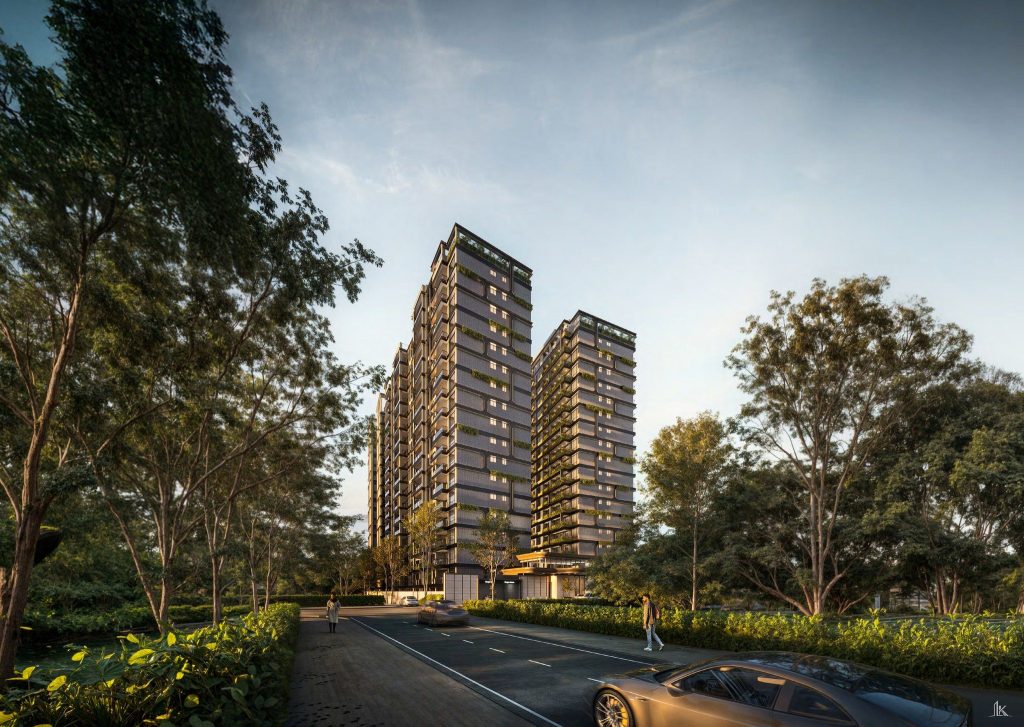
Not every part of the market is moving the same way. In the year to the second quarter of 2026, the market index showed apartment prices in Westlands down about 6.5 percent and in Lavington about 5 percent, as new supply caught up with demand, while apartments in Kileleshwa and Kilimani edged up. For a buyer that can mean real room to negotiate on apartments in some suburbs — but it also means doing your homework on service charges, finish quality and the developer, because a falling price is not automatically a bargain.
4 Consider Affordable Housing
If you don’t already own residential property in the county you’re applying in, the government’s Boma Yangu programme is worth checking — unit prices have ranged from roughly KSh 600,000 for a one-bedroom to KSh 3 million for a three-bedroom, with a 12.5% deposit and the balance over 25 years, or an affordable mortgage arranged through KMRC. It won’t suit every buyer or every location, but it’s a genuinely different cost structure to a standard bank mortgage and deserves five minutes on the portal before you dismiss it.

5 The Legal Process, Step By Step
- Official search through the land registry (now largely done on Ardhisasa), confirming the registered owner and any charges or caveats.
- Engage a conveyancing advocate — this is not the place to economise.
- Sign a written sale agreement, witnessed, setting out the deposit, balance, and possession date.
- Land Control Board consent, if the land is classified agricultural — without it, the transaction is void.
- Pay stamp duty, assessed on the higher of the agreed price or the government valuation.
- Registration at the Lands Registry. This is the step that actually transfers ownership — not the signed agreement, and not the deposit.

The Short Version
Know your real affordability before you fall for a house. Budget 7–11% above the price for closing costs. Check whether an affordable-housing route fits before assuming a standard mortgage is your only option. And remember that a signed agreement is not ownership — registration is.
Rates, scheme terms and fees change, and this is not financial or legal advice for your specific purchase — confirm current figures with your lender and advocate before committing. If you’d like help thinking through a specific property, get in touch.
See One Of Our Projects
Speak To LUXKEY Advisory
Buying, selling or investing, tell us what you are working on and we will give you a straight answer on the property, the price and the paperwork.