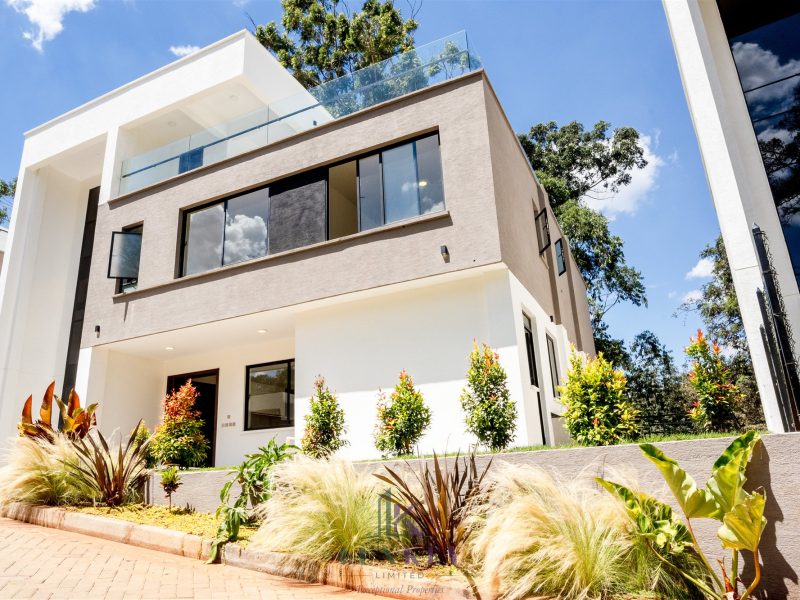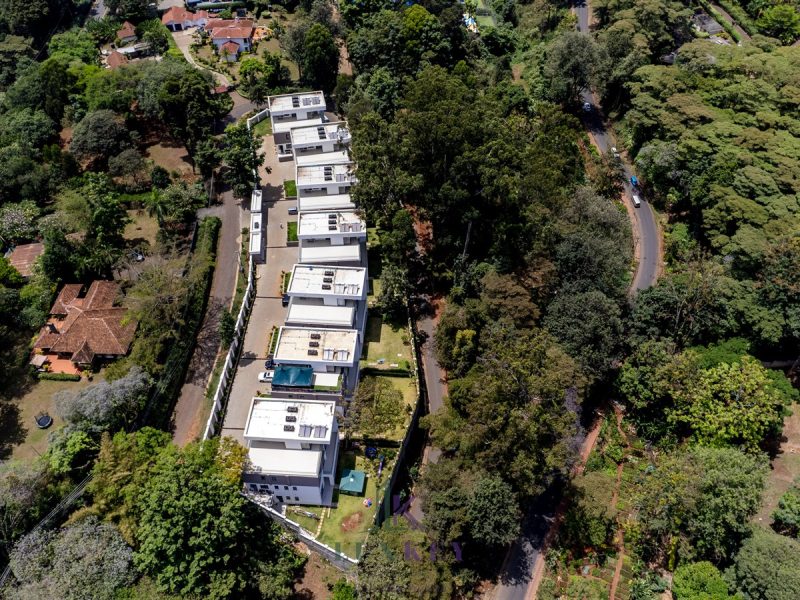
Your Next Home Should Fit Your Next Chapter

A home isn’t a finish line. It’s the next chapter.
A first key in your hand. A second bedroom that becomes a nursery. A study that turns into a room for visiting parents. Later, a quieter place with a lift, a garden and nothing to fix. The homes that suit us change as our lives do, and the best buyers choose for the chapter they are about to write, not only the one they are in.
What Does A First Home Really Need?
Less than you think, and more of the right things. A first home works best when it is easy to live in and easy to afford: a studio or one-bedroom close to work, with good light, a place to cook, somewhere to put a desk, and a building that is run well. Projects such as High Street Lane, in Migaa, offer homes from studios upward, with shops and cafés in the same development. Spectre, in Westlands, offers one- and two-bedroom residences for people who want the city on their doorstep.

How Do I Know I’ve Outgrown It?
Usually it is small things first. You are working from the sofa because there is no desk. Guests have to sleep on the floor. Storage has spilled into every corner. If you are planning a partner, a baby or a parent moving in, it is time to look at the next step, and to do it before the pressure builds, not after.
Which Home Suits A Growing Family?
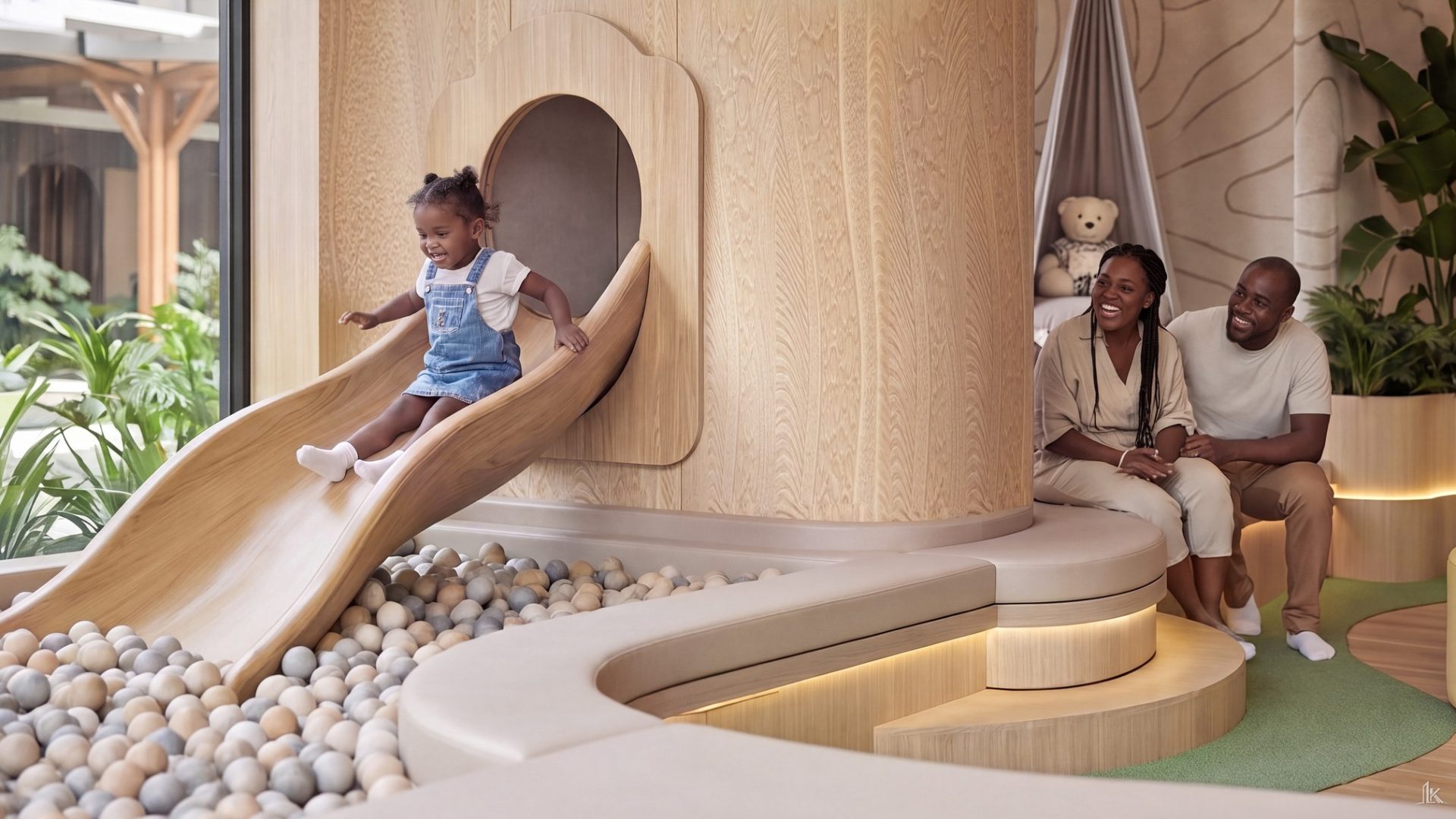
Families need space, but also what surrounds it: a safe place for children to play, schools nearby, and neighbours in the same stage of life. Three-bedroom homes are the heart of this chapter. Ivy Myst, in Kileleshwa, offers one-, two- and three-bedroom residences with a kids’ play room and a co-working space among its amenities. Gaia Brookside, in Westlands, is planned around three-, four- and five-bedroom homes, with a play area, a health centre and green space close by.

What About When The Children Leave?
Downsizing is not a step back. For many people it is the point at which a home becomes easier and richer: a lift instead of stairs, security you do not have to think about, a gym or yoga space downstairs, a doctor close by, and the freedom to lock the door and travel. Look for buildings with good management and a strong sense of community, because those are the things that make a smaller home feel generous.

Should I Buy For The Life I Have Or The One I’m Planning?
If you can stretch a little, buying one chapter ahead often makes sense. A second bedroom you do not need yet is cheaper than moving again in three years, once you count legal fees, stamp duty and the disruption. The limit is comfort: do not buy so far ahead that the monthly cost strains your life today. Choose a layout that can adapt, with a room that can be a study now and a bedroom later.
What Does This Mean For Your Budget?
Each chapter has a different shape of cost. A first home is about keeping the price and running costs low. A family home is about space and location. A downsizing home is about quality and low maintenance. Whatever the stage, remember that the cost of buying is more than the price: stamp duty, legal fees and moving all add up. Plan the whole journey, not only the next purchase.
Begin The Conversation
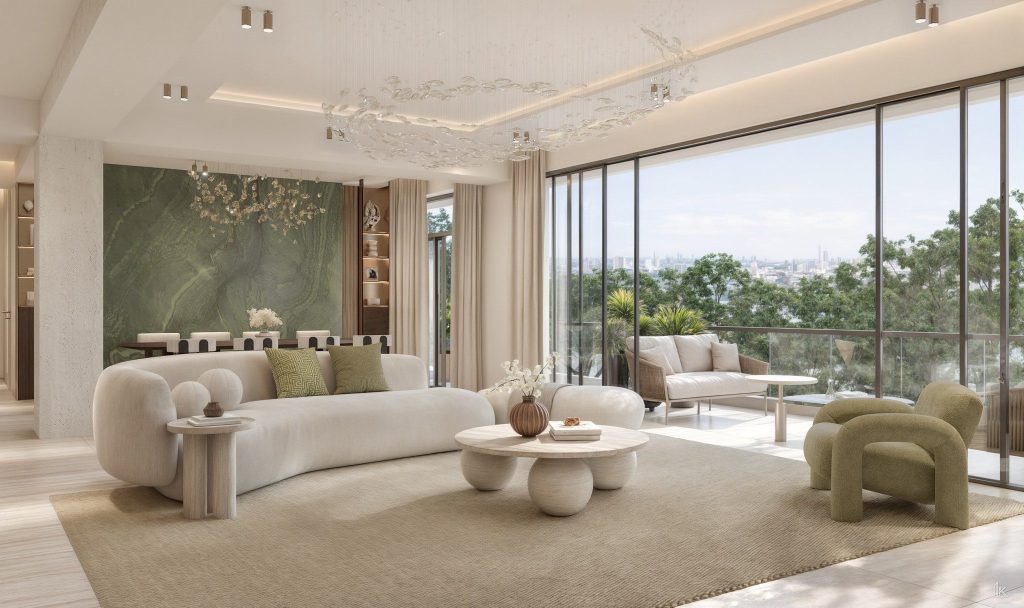
Tell us which chapter you are in, and we will help you find a home that fits it. You can browse homes by number of bedrooms, or talk to our advisory team about what comes next.
Descriptions of projects are the developers’ own, the projects are under construction, and details may change. Images are renderings. This is general guidance, not financial advice.
See One Of Our Projects
Speak To LUXKEY Advisory
Buying, selling or investing, tell us what you are working on and we will give you a straight answer on the property, the price and the paperwork.